
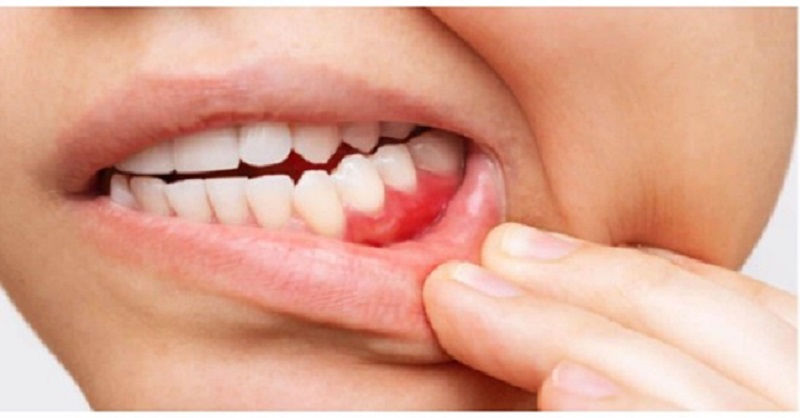
Have you just gotten your tooth pulled out? Then you might be wondering how to stop bleeding from a tooth extraction and recover smoothly. Read this guide to know some simple tips to stop bleeding and promote faster recovery.
Bleeding after a tooth extraction is normal and a part of the healing process. But if your gums don’t stop bleeding, it is important to consult a dentist to determine the best course of action.
Burton Advance Dental isn’t just a dental clinic. It’s a place where patients can find a trusted partner for their oral health journey.
So, how to stop bleeding from a tooth extraction? Let’s dive deep into this blog to know the most effective ways to stop bleeding and recover faster, so you can get back to your daily routine.
Guide on How to Stop Bleeding from a Tooth Extraction: Simple & Effective Tips
1. Use Wet Gauze
A quick and easy way to stop bleeding after a tooth extraction is by using a wet gauze. This is the most important first step, and surprisingly, many people don’t do it correctly.
Here’s what to do:
- Place a clean piece of gauze over the extraction site
- Bite down firmly (not aggressively) for 30-45 minutes
- Avoid talking or chewing during this time
This pressure helps form a blood clot, which is crucial for healing. Keep your mouth still, avoid excess movement, and try not to talk.
2. Avoid Smoking & Drinking
After a tooth extraction, try to avoid smoking and drinking to aid in your healing. Smoking can mess with blood clots and lead to dry sockets, which can be painful and potentially cause infection. If you smoke, try to hold off for 48 hours.
Swap out alcoholic drinks with juice to stay hydrated and promote faster healing.
3. Elevate Your Head
By keeping your head elevated above your heart, you can reduce blood pressure at the wound site. Avoid lying flat, as it can increase blood flow to your mouth and worsen bleeding.
- Use an extra pillow when resting
- Keep your head slightly elevated for the first 24 hours
Go for a comfy, reclined position to reduce swelling and speed up recovery so that you can get back to your routine faster.
4. Use a Tea Bag Trick
It might sound like a home remedy your grandmother suggested. But a tea bag can help stop bleeding after a tooth extraction.
Black tea contains tannic acid, which helps blood clot faster.
- Soak a tea bag in warm water
- Place it over the extraction site
- Bite down gently for 20-30 minutes
Make sure the bag isn’t too dry, as moisture is key to its working. Afterward, you should see less bleeding and a stable clot. Many patients find this especially helpful when gauze alone isn’t enough.
5. Stick to Soft Foods for a Few Days
Your diet plays a big role in how you heal after a tooth extraction. During recovery, stick to soft and cool foods like:
- Yogurt
- Mashed potatoes
- Smoothies (no straw!)
- Soup (lukewarm, not hot)
Avoid hot drinks, spicy foods, or crunchy snacks for the first couple of days, as they can irritate the site or dislodge the clot. Take small bites and chew slowly on the opposite side to keep comfort at bay.
How Long Will it take for My Tooth to Stop Bleeding After Extraction?
Bleeding after a tooth extraction typically slows to minor oozing within 3-4 hours and almost stops bleeding entirely within 24 hours.
But if you see minor ink saliva or occasional oozing during the first 24 hours, do not panic. It’s completely normal. But active, heavy bleeding should cease relatively quickly after biting into a gauze pad.
Why is Clotting Important After a Tooth Extraction
A blood clot acts as a protective barrier over the empty socket, sealing the wound and allowing for proper healing. At Burton Advance Dental, our restorative dentist in Burton suggests that clots protect the bones and nerves from exposure to bacteria caused by food particles.
And without this clot, a painful condition called dry socket may occur. And that’s why blood clotting is the first and most important healing process. It stops bleeding and promotes faster healing by providing a matrix for new tissues to grow.

What To Do if Bleeding Doesn’t Stop After 24 Hours of Tooth Extraction
If heavy bleeding persists, accompanied by severe pain, swelling, and fever, it is recommended to contact a dentist immediately. This could indicate complications requiring quick attention.
Our emergency dental services at Burton Advance Dental will give you the courage and confidence to combat your dental issues and lead a normal life.
Here’s what we offer:
- Prompt care when you need it the most
- Well-adorned with state-of-the-art facility
- Best treatments for your overall oral health
- Cost-effective dental solutions
The Bottom Line
Understanding how to stop bleeding from a tooth extraction doesn’t have to be complicated. With the right steps and following simple aftercare, you can manage the situation confidently and heal faster.
If you ever feel unsure or your symptoms don’t improve, don’t hesitate to reach out. We are one of the best dentists in Burton mi helps you with safe extractions to a smooth, stress-free recovery.
Need expert dental care or post-extraction support? Contact us today and let our experienced team help you heal comfortably and confidently.
FAQs On Steps to Stop Bleeding from a Tooth Extraction
Can I sleep if my tooth is still bleeding?
Yes, but keep your head elevated and place gauze over the area. This helps control bleeding while you rest.
What should I avoid after a tooth extraction?
Avoid smoking, straws, hot foods, alcohol, and vigorous rinsing for at least 24-48 hours to prevent dislodging the clot.
Is it normal for bleeding to restart later?
Slight bleeding can restart if the clot is disturbed, especially after eating or physical activity. Apply gauze pressure again to control it.