
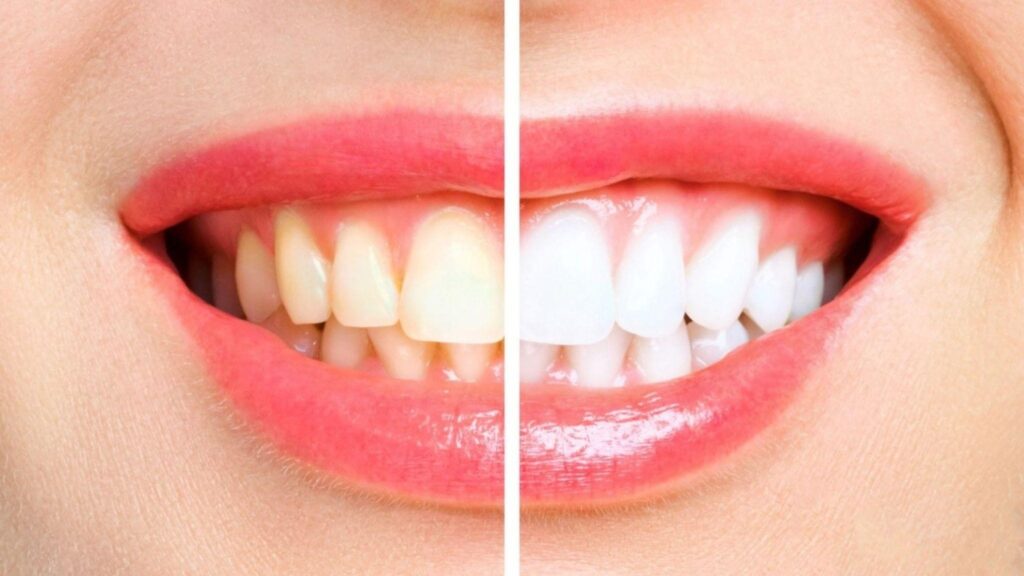
A brighter smile can transform the way you feel about yourself, but one of the first questions most people ask is, how long does teeth whitening take? You are not alone.
The good news is that modern teeth whitening treatments can deliver noticeable results surprisingly quickly. However, not every whitening option works at the same speed, and choosing the right one makes all the difference.
At Burton Advance Dental, every treatment begins with a thorough consultation to assess your oral health, discuss your smile goals, and recommend the most suitable whitening option for your needs.
Here’s everything you need to know about the timeline, what affects your results, and how Burton Advance Dental can help you achieve a healthier, brighter smile safely.
A Complete Guide to Teeth Whitening: Treatment Times and Results
So, How Long Does Teeth Whitening Take?
The honest answer is, it depends on the treatment you choose.
Here’s a general timeline:
| Whitening Method | Typical Treatment Time | When You’ll Notice Results |
| In-chair professional whitening | 60-90 minutes | Immediately after treatment |
| Dentist-prescribed home whitening trays | 10-14 days | Within a few days |
| Whitening strips | 2-4 weeks | Gradual improvement |
| Whitening toothpaste | 4–8 weeks | Mild improvement only |
If you’re looking for fast, dramatic results, professional teeth whitening is usually the quickest option.
Professional Teeth Whitening: The Fastest Option
For many patients, a single appointment is enough to brighten their smile noticeably.
A typical professional whitening appointment includes:
- Dental examination
- Shade assessment
- Protection of gums and soft tissues
- Application of professional whitening gel
- Activation (if required)
- Multiple whitening cycles during one visit
The entire appointment generally lasts around 60 to 90 minutes. Many patients leave the clinic with teeth several shades lighter.
Imagine preparing for a family celebration next weekend. Instead of waiting weeks for whitening strips to work, professional treatment can provide visible improvements in just one visit.
Take-Home Whitening Kits from Your Dentist
Some people prefer gradually whitening. Dentist-prescribed whitening trays usually involve wearing custom-made trays filled with whitening gel for several hours each day or overnight.
Most patients achieve their desired shade within:
- 10-14 days
- Occasionally up to 3 weeks for heavier staining
Because the trays fit perfectly, the gel spreads evenly, producing consistent and natural-looking results.
What Affects How Long Teeth Whitening Takes?
Not everyone’s teeth whiten at the same speed. Several factors influence your treatment timeline.
1. The Type of Staining
Surface stains from:
- Coffee
- Tea
- Red wine
- Smoking
often respond faster than deeper internal stains caused by:
- Trauma
- Certain medications
- Age-related discolouration
2. Your Starting Tooth Colour
The darker your teeth are initially, the longer it may take to reach your desired shade.
Think of it like painting a wall. The darker the original colour, the more work is required to achieve a lighter finish.
3. Your Lifestyle
Even after whitening, daily habits matter.
People who regularly consume:
- Coffee
- Tea
- Curry
- Cola
- Tobacco products
may require additional whitening sessions or maintenance.
4. Your Goals
Some patients simply want a fresher-looking smile. Others hope to achieve a dramatically brighter Hollywood-style appearance.
More ambitious whitening goals may require multiple treatments.
Is Teeth Whitening Safe?
When performed under professional supervision, yes. Professional whitening products are carefully formulated to minimise risks while delivering effective results.
Some patients experience temporary tooth sensitivity for a day or two after treatment, but this usually settles quickly.
Your dentist will also assess whether whitening is suitable before starting treatment.
For example, whitening does not work on:
- Crowns
- Veneers
- Composite fillings
A professional consultation helps avoid uneven colour results.
At Burton Advance Dental, every whitening treatment begins with a thorough dental assessment to ensure your teeth and gums are healthy enough for treatment.
Our experienced team creates personalised whitening plans that prioritise both safety and long-lasting results.

How Long Do Teeth Whitening Results Last?
This is another common question.
On average, professional whitening can last:
- 12 to 36 months
The longevity depends on:
- Diet
- Oral hygiene
- Smoking habits
- Regular dental cleaning
Many patients choose occasional touch-up treatments to maintain their brighter smile.
Final Words
So, how long does teeth whitening take? The answer varies depending on your chosen treatment. Still, professional whitening can often brighten your smile in as little as one appointment, while dentist-prescribed home systems typically deliver excellent results within two weeks.
Ready to Achieve a Whiter, More Confident Smile? Visit Burton Advance Dental Today!
From professional teeth whitening in Burton and customised home whitening kits to comprehensive cosmetic and preventive dental care, our experienced team provides personalised treatments designed to deliver safe, natural-looking results.
Contact us to schedule your consultation and discover the best whitening option for your smile!
FAQs About How Long Does Teeth Whitening Take
How long does teeth whitening take at the dentist?
Professional in-chair teeth whitening usually takes between 60 and 90 minutes, with visible results immediately after the appointment.
How many whitening sessions will I need?
Many people achieve excellent results after one professional treatment, while others with deeper staining may benefit from additional sessions or customised take-home whitening.
Does teeth whitening hurt?
Most patients experience little or no discomfort. Some temporary tooth sensitivity may occur after treatment, but it usually disappears within 24-48 hours.
How long will my teeth stay white?
Professional whitening results can last anywhere from one to three years, depending on your diet, oral hygiene, and lifestyle habits.