
Written by Dr. Lavanya Seela, owner and dentist at Burton Advance Dental, Burton, MI, practicing restorative and cosmetic dentistry since 2007.
Quick answer: You typically need a dental crown instead of a filling when more than half the tooth’s structure is damaged, when a cavity is too large or deep for a filling to support, after most root canals, or when a tooth is cracked, fractured, or worn down badly enough that a filling would not hold up under normal biting force. A filling patches a small area. A crown covers and protects the entire visible tooth.
In This Article:
- Fillings vs. Crowns: What’s Actually Different
- When Is a Dental Crown Needed? 7 Signs to Watch For
- What Happens If You Get a Filling When You Actually Needed a Crown
- Crown Survival Rates and Longevity: What the Research Shows
- FAQs About Dental Crowns
- About the Author
Most people don’t think much about the difference between a filling and a crown until they’re sitting in the chair hearing one word or the other.
If you’ve just been told you need a crown after expecting a “simple filling,” you’re probably wondering why, and whether there’s a cheaper way around it.
Here’s the honest answer: sometimes there is, and sometimes there really isn’t.
When a dental crown is needed rather than a filling, it comes down to how much healthy tooth structure is left to work with.
A filling only works if the tooth still has enough of its own structure standing to support it.
Once that structure is compromised, a filling becomes something like patching a cracked windshield with tape. It might hold for a while, but It’s not going to hold for long.
In the years we’ve spent treating patients at Burton Advance Dental, this has been one of the most common points of confusion we encounter, so let’s walk through exactly how a restorative dentist decides between the two.
Fillings vs. Crowns: What’s Actually Different
A filling is a small, localized repair. Your dentist removes the decayed part of the tooth, then fills that space with composite resin or another material, and the rest of your natural tooth stays untouched.
A crown for teeth, on the other hand, is a full cap. It covers the entire visible portion of the tooth above the gumline, essentially replacing the outer shell while whatever healthy structure remains underneath does the supporting work.
Here’s a simple way to compare them side by side:
| Factor | Filling | Crown |
| Amount of tooth structure needed | Most of the tooth is intact | Less than half may be intact |
| Typical use case | Small to moderate cavities | Large cavities, fractures, post-root canal teeth |
| Material coverage | Fills the damaged area only | Covers the entire visible tooth |
| Chair time | Usually one visit | Often two visits (or one with same-day CAD/CAM crowns) |
| Cost | Lower | Higher, but often prevents costlier problems later |
Restorative dentists in Burton and everywhere else generally follow the same rule: use the least invasive option that will actually hold up.
When Is a Dental Crown Needed? 7 Signs to Watch For
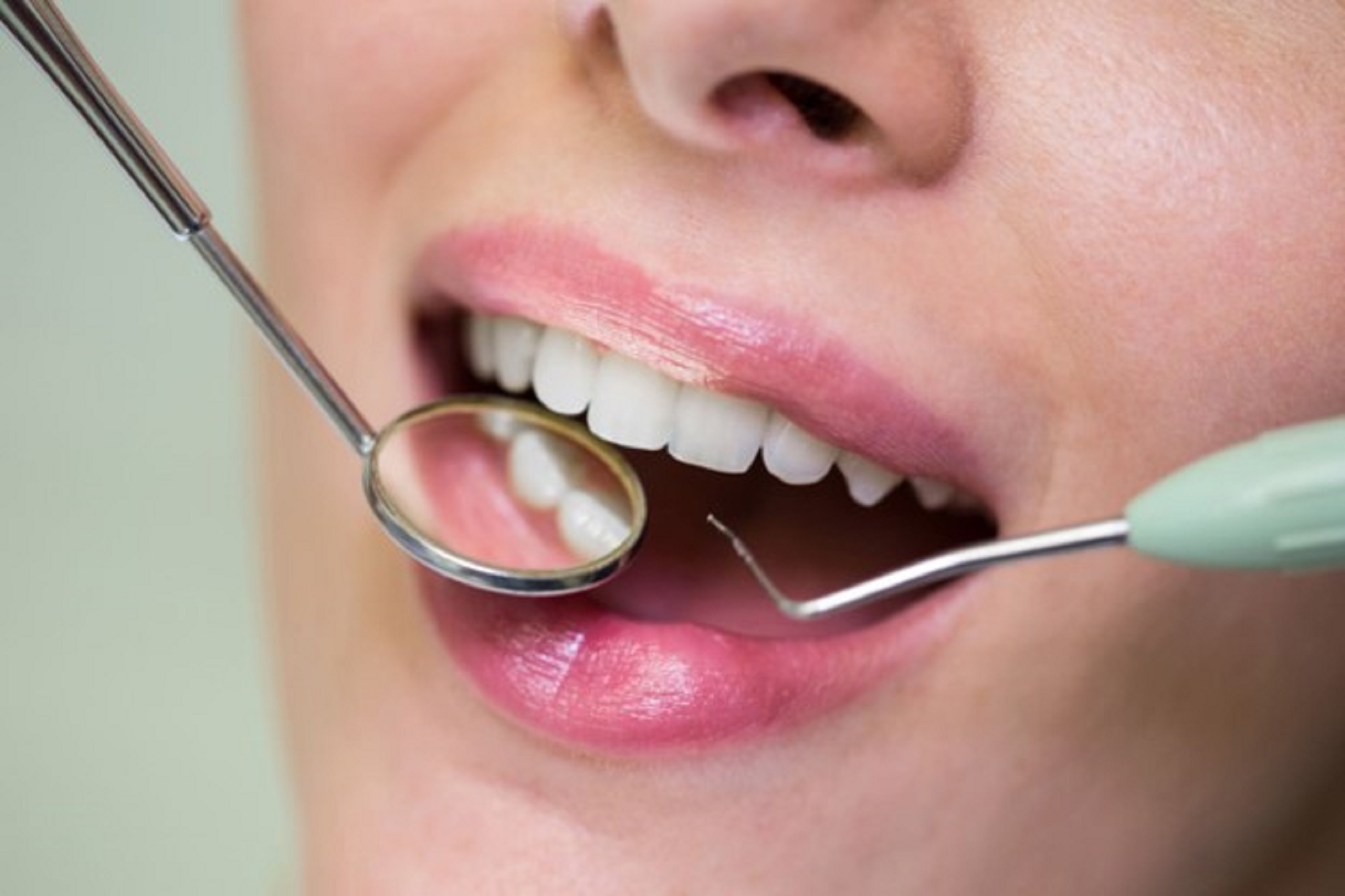
You won’t always be able to tell from home whether you need a crown or a filling. Only an exam and X-rays can confirm that. But there are patterns worth knowing, because they’ll help you understand what your dentist is looking at and why.
- The decay covers more than half the tooth: Once a cavity eats into more than about 50% of the tooth’s biting surface, there usually isn’t enough healthy structure left for a filling to bond to reliably.
- You’ve had a root canal on a back tooth: Root canal treatment removes the tooth’s blood supply, which over time makes the tooth more brittle. Molars and premolars especially tend to need a crown afterward because they absorb so much chewing force.
- The tooth is cracked, not just decayed: A crack that runs toward the root, sometimes called a fractured cusp, isn’t something a filling can seal shut. A crown holds the tooth together the way a hoop holds together the staves of a barrel.
- You’ve got a large, old filling that’s failing: Fillings don’t last forever. When a big filling starts to break down, the surrounding tooth is often too weakened to support a replacement filling of the same size.
- There’s visible wear from grinding: Chronic teeth grinding, known clinically as bruxism, can flatten and thin teeth to the point where a crown is the only realistic way to restore proper height and bite function.
- The tooth is discolored or structurally compromised after trauma: A hard knock to a tooth can crack it internally even if the outside looks fine at a quick glance. If imaging shows internal damage, a crown protects what’s left.
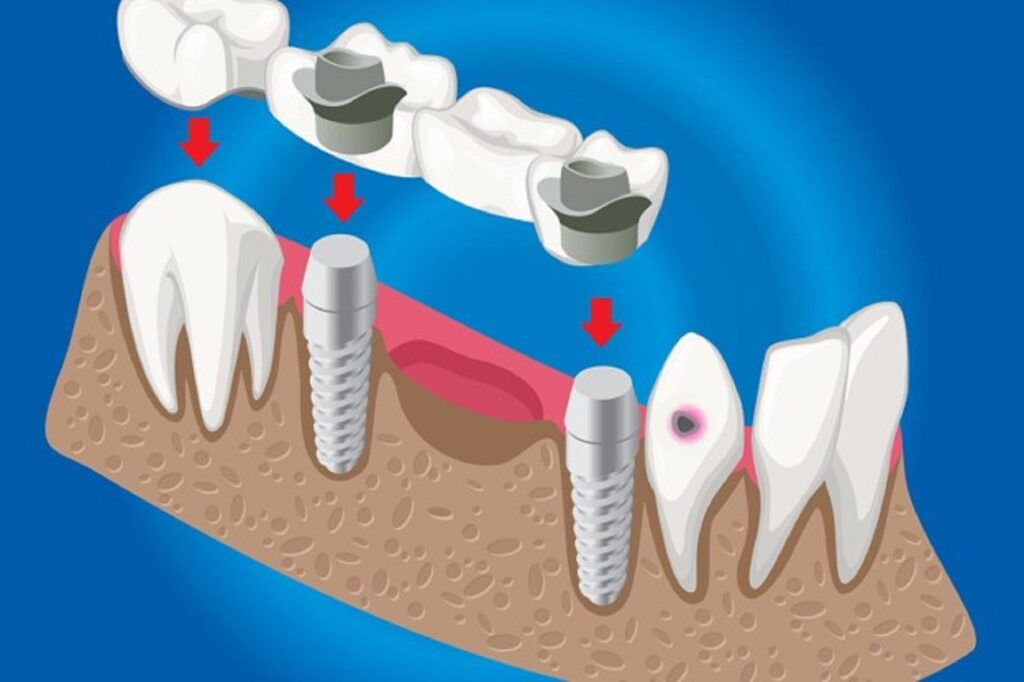
- You need a bridge anchor: Crowns aren’t just for damaged teeth. They’re also used to anchor a dental bridge onto the teeth next to a gap left by a missing tooth.
One detail many patients don’t realize: the decision isn’t purely visual. We’re also looking at bite force distribution on X-rays, checking whether the remaining tooth walls (dentists sometimes call these “cusps”) are thick enough to withstand daily chewing, and, in some cases, using a dental explorer to physically test how much give the remaining structure has.
That last step is a small thing, but it’s the kind of detail that separates “this filling will probably be fine” from “this filling will fail in eight months.”
What Happens If You Get a Filling When You Actually Needed a Crown
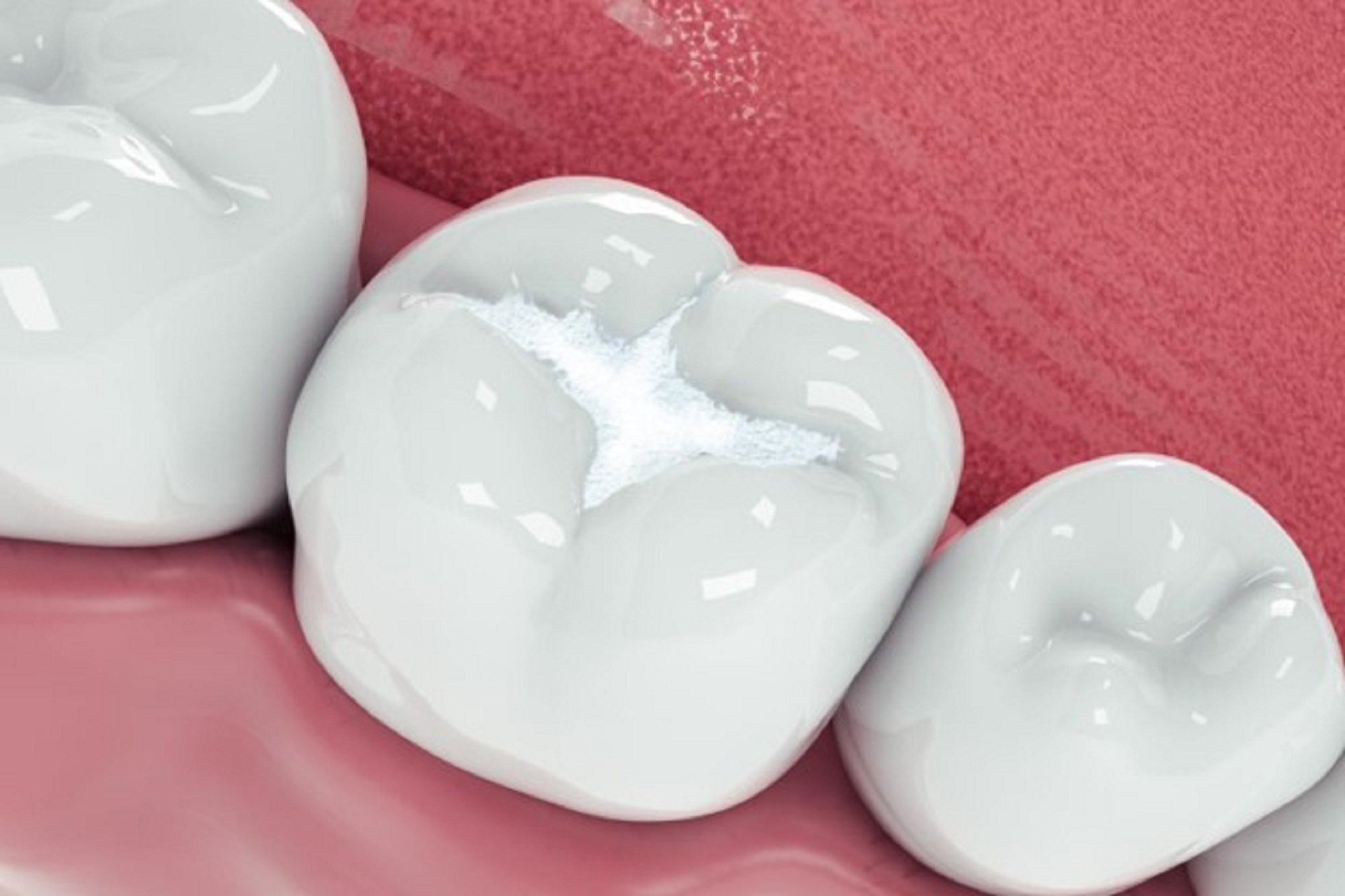
Honestly, this is where things go sideways for many patients who try to save money upfront.
If a tooth needs a crown but gets a large filling instead, here’s the typical sequence:
- The filling holds for a short period, sometimes only weeks or months.
- Chewing pressure on the thin remaining walls causes a crack or a chip.
- The crack can extend below the gumline or toward the root.
- What could have been solved with a crown may now require a root canal or, in worse cases, extraction.
That’s the real cost of skipping restorative dentist Burton’s recommendations to “wait and see.” It’s not that a filling is wrong; it’s that using it on a tooth that needs more coverage often just delays a bigger, more expensive problem.
Conclusion
When a dental crown is needed rather than a filling, it really comes down to one question: is there enough healthy tooth left to support a small repair, or does the whole tooth need protecting?
If more than half the structure is compromised, if you’ve had a root canal on a molar, if there’s a crack running toward the root, or if an old filling is failing, a crown is very likely the more durable answer.
Crowns for teeth aren’t about upselling a bigger procedure. They’re about matching the repair to the actual damage so you’re not back in the chair again in six months.
If you’re in the Burton area and you’re not sure which one your tooth needs, that’s exactly the kind of question worth bringing to a restorative dentist Burton patients already trust.
Our team can explain options and walk you through what crowns versus fillings are in plain terms, and recommend the option that will actually hold up for your specific tooth. Schedule a visit with Burton Advance Dental today and get a straight answer instead of a guess.
FAQs About Dental Crowns
Are dental crowns a good option for damaged teeth?
Yes. Crowns are among the most reliable options for damaged teeth because they restore shape, strength, and function at once, and they’re commonly used for teeth weakened by decay, fractures, or extensive repairs.
How do I know if I need a crown instead of a filling?
The clearest sign is how much of the tooth is still intact. A dental exam and X-rays are the only reliable way to know for sure, but persistent pain, a visible crack, or a large old filling that’s breaking down are all reasons to get checked.
How long do dental crowns actually last?
Most crowns last 10 to 15 years, and many go well beyond that with good oral hygiene and regular checkups. Long-term studies have tracked some crowns that have held up for 20, 30, and even close to 50 years.
Is getting a crown painful?
Most restorative procedures, including crowns, are performed to relieve pain rather than cause it. Local numbing keeps the placement itself comfortable, and any soreness afterward is usually mild and temporary.
What’s the difference between a crown and a cap?
Nothing, really. “Cap” is just the older, more casual term patients use for what dentists call a crown.
Can a filling be turned into a crown later if it fails?
Yes, and it happens fairly often. If a filling placed on a heavily damaged tooth starts to break down, a crown is often the next step, since by that point there’s usually more compromised structure to protect.
About the Author
Dr. Seela is the owner of Burton Advance Dental in Burton, MI. She holds a Bachelor of Dental Surgery (BDS) and a Master of Dental Surgery (MDS) in Periodontics from India, and earned her Doctor of Dental Medicine (DMD) from Case Western Reserve University School of Dental Medicine in Cleveland in 2007. She has practiced clinical and cosmetic dentistry in Genesee County ever since, with a focus on prevention, early detection, and timely restorative care.