
Reviewed by Dr. Lavanya Seela, DMD, owner and dentist at Burton Advance Dental. Dr. Seela earned her DMD from Case Western Reserve University and focuses on preventive and cosmetic dentistry.
A crown can protect a weak tooth for many years, but it won’t last forever. So how long do dental crowns last, and how do you know when it’s time for a new one? This guide covers the typical lifespan, the warning signs to watch for, and simple habits that help your crown last longer.
Quick answer: Most dental crowns last 5–15 years, but their lifespan depends on the material used, oral hygiene, biting habits, and the condition of the underlying tooth.
In this article
- How long do dental crowns typically last?
- 5 signs you may need a dental crown replacement
- How can you make your dental crown last longer?
- Why choose Burton Advance Dental?
- FAQs about dental crowns
- Protect your smile with timely dental care
How Long Do Dental Crowns Typically Last?
Dental crowns are designed to cover and protect weakened, damaged, or heavily restored teeth. However, they’re not permanent. Everyday chewing, changes in your bite, and wear over time can affect their condition.
Several factors influence how long a crown lasts:
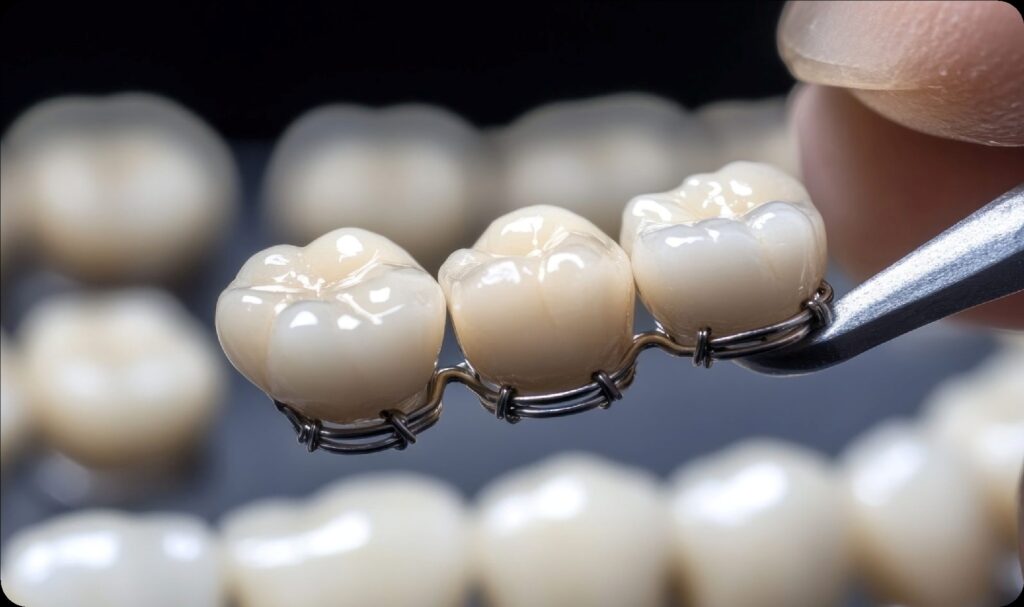
- Crown material: Metal and gold alloy crowns are very Porcelain and ceramic crowns look the most natural but can chip under heavy force. Zirconia crowns are strong and tooth-colored, while porcelain-fused-to-metal crowns combine a metal base with a porcelain surface.
- Oral hygiene: Plaque buildup around the crown’s edges can contribute to decay in the underlying tooth.
- Biting habits: Grinding your teeth, chewing ice, or biting hard objects can damage a crown.
- Tooth location: Back teeth take on heavy chewing forces, which can affect how long a restoration lasts.
- Regular dental care: Routine exams help catch problems before they become more serious.
A lifespan of 5 to 15 y ears is a general estimate, not a fixed replacement deadline. A crown that stays intact, fits properly, and protects a healthy tooth underneath may keep working well beyond that.
5 Signs You May Need a Dental Crown Replacement
An aging crown doesn’t always cause discomfort. Still, certain changes deserve attention.
1. Cracks, Chips, or Visible Damage
Small chips, cracks, or rough edges can affect a crown’s strength and fit. If you notice visible damage or feel a sharp edge with your tongue, schedule a dental exam. Avoid chewing hard foods on that side until your dentist checks it.
2. Pain or Increased Tooth Sensitivity
New sensitivity to hot or cold foods, discomfort when biting, or ongoing pain around a crowned tooth may point to a problem. Possible causes include decay beneath the crown, a crack, or an issue with the tooth’s nerve.
Don’t assume the crown itself is the only source of discomfort. Your dentist needs to find the underlying cause.
3. A Loose or Shifting Crown
Does your crown feel unstable when you chew? A loose crown may have a weakened cement seal or an underlying dental problem.
Call your dentist promptly rather than trying to glue it back yourself. If the crown comes off, keep it safe and ask your dentist how to proceed.
4. Dark Edges or Changes Near the Gumline
A dark line near a crown may come from its material, gum recession, or another change around the restoration. It doesn’t automatically mean the crown needs replacing.
However, visible changes, swollen gums, or bleeding around the crown should be checked to rule out decay or gum problems.
5. Food Trapping or an Uncomfortable Bite
If food keeps getting caught around a crown or your bite suddenly feels uneven, the restoration may no longer fit properly. These changes can also happen because of shifting teeth or gum changes.
Not every damaged or uncomfortable crown needs immediate replacement. Depending on the cause, your dentist may recommend monitoring, adjusting, repairing, or replacing it.
When to call right away: Contact your dentist as soon as possible if you have facial swelling, severe or throbbing pain, a bad taste or pus near the tooth, or a crown that has come off. Don’t wait for your next routine visit. Call us at (810) 742-6600.
How Can You Make Your Dental Crown Last Longer?
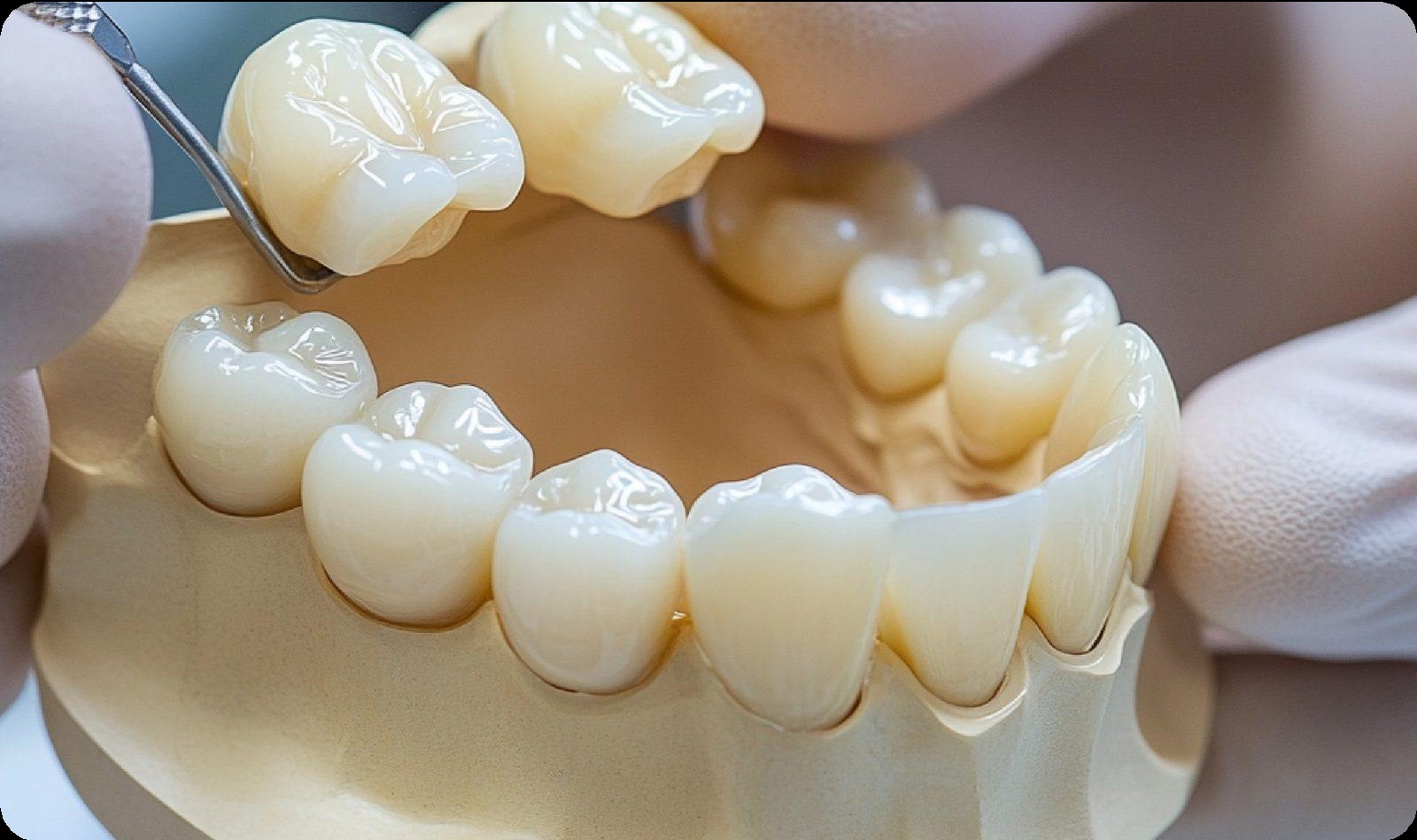
Good daily habits can help extend the life of your crown and protect the natural tooth underneath. We recommend these practical steps:
- Brush twice daily with fluoride toothpaste.
- Floss every day, paying attention to the gumline around your crown. A floss threader or water flosser can help if regular floss catches.
- Avoid chewing ice, hard candy, and other objects that could damage the crown.
- Ask your dentist about a custom night guard if you grind or clench your teeth, or a mouthguard if you play contact sports.
- Keep up with routine dental exams and professional cleanings.
- Remember, a crown can’t get a cavity, but the natural tooth underneath it can. Keeping the edges clean is essential for long-term protection.
Why Choose Burton Advance Dental?
At Burton Advance Dental, we understand that a damaged or aging crown can affect your comfort, confidence, and ability to chew normally. We focus on personalized care that considers both your immediate concerns and your long-term oral health.
Our dental services include:
- Dental crowns: To restore and protect weakened or damaged
- Tooth-colored fillings: To repair teeth affected by cavities or minor
- Routine dental exams: To check your teeth, gums, and existing
- Digital X-rays: When needed, to find problems that can’t be seen during a visual exam.
- Cosmetic dentistry: To improve the look of your
We assess each patient’s needs individually rather than recommending crown replacement based on age alone. Our goal is to help you understand your options and choose the right treatment plan.
FAQs About Dental Crowns
Should a dental crown be replaced after 10 years?
Not necessarily. Some crowns need replacement sooner, while others last much longer. Your dentist can check the crown’s fit, condition, and the health of the tooth underneath.
Can a dental crown last 20 years?
Yes, some crowns last 20 years or longer with good care. Their lifespan depends on the material, placement, oral hygiene, bite forces, and the condition of the supporting tooth.
Is replacing a dental crown painful?
The procedure is generally comfortable with local anesthesia. Your experience depends on the condition of the tooth and how complex the treatment is. Your dentist will explain what to expect before starting.
Can a dentist repair a damaged crown instead of replacing it?
Sometimes. Minor damage may be repairable, but a badly cracked, poorly fitting, or extensively damaged crown may need replacement. The decision depends on the crown and the tooth underneath.
Does dental insurance cover crown replacement?
Coverage varies by plan. Many plans cover part of the cost of a crown, and some limit how often a crown can be replaced. We accept most insurances, and CareCredit and Cherry financing are available. Our team can help you understand your benefits before treatment begins.
Protect Your Smile With Timely Dental Care
Dental crowns can provide years of reliable protection, but changes in comfort, fit, or appearance shouldn’t be ignored. Regular checkups help spot problems early and show whether your crown needs monitoring, repair, or replacement.
Looking for a dentist in Burton, MI? We offer dental crowns, tooth-colored fillings, routine exams, and other general and cosmetic dentistry services. We also welcome patients from Grand Blanc, Lapeer, Flint, Flushing, and Davison.
About the Author
The Burton Advance Dental team shares practical, patient-focused dental insights based on our experience in general and cosmetic dentistry. This article was reviewed by Dr. Lavanya Seela, DMD. Our goal is to provide trustworthy oral health information that helps you make informed decisions and keep a healthy, confident smile.